

If you've been told your labs are "normal" but you still react to food, fragrances, temperature changes, or stress, this post is for you.
You might be dealing with something most conventional doctors never consider: Mast Cell Activation Syndrome, or MCAS. And it's far more common than you've been led to believe.
What Are Mast Cells, Exactly?
Mast cells are part of your immune system. They live in your tissues — your gut lining, your sinuses, your skin — and their job is to respond to threats by releasing chemicals like histamine.
That's a good thing. Until it isn't.
In MCAS, mast cells become hypersensitive and trigger far too easily. They fire off histamine and other inflammatory compounds in response to things that shouldn't be a threat at all — certain foods, scents, medications, even changes in temperature or stress hormones.
The result? A symptom picture that looks like everything and nothing at once: hives, brain fog, GI distress, heart palpitations, fatigue, anxiety, flushing, chronic congestion.
Sound familiar?
What I Look for When I Suspect MCAS
This is where my approach differs from a standard allergy workup. MCAS isn't just about what you're reacting to — it's about why your mast cells are so reactive in the first place. That requires digging.
Here's what a thorough workup looks like in my practice.
A detailed lifelong history. I want to know: were you always sensitive, or did this start after something — an illness, a move, a stressful event, a course of antibiotics? Lifelong reactivity points to a different cause than a trigger that appeared in adulthood.
Gut infection and microbiome assessment. The gut is ground zero for mast cell activity. I look for bacterial overgrowth, parasites, fungal imbalance, and markers of gut lining compromise. A disrupted biome is one of the most common drivers of mast cell hyperreactivity I see clinically.
Mold and mycotoxin exposure. Mold is a major and underrecognized trigger. If you've lived or worked in a water-damaged building, even years ago, mycotoxin exposure may still be fueling your immune system's overreaction.
Heavy metals and environmental toxins. Lead, mercury, arsenic — these aren't just "toxicity" concerns. They directly destabilize immune function and can keep mast cells in a chronically activated state.
Genetic factors. Some people are wired to be more reactive. I look at genetic variants that affect histamine metabolism, detoxification pathways, and immune regulation. Understanding your genetics helps us know whether we're dealing with a root cause, or a vulnerability that's been exploited by something environmental.
Connective tissue — Ehlers-Danlos Syndrome (EDS) and hypermobility. This one surprises people. Joint hypermobility and connective tissue disorders like EDS have a well-documented overlap with MCAS. When joints move out of their normal range, it can stress the body in ways that contribute to mast cell instability. I always assess for this.
PMDD and hormonal triggers. Premenstrual Dysphoric Disorder
PMDD — is another condition that frequently overlaps with MCAS, and one that's often dismissed or misdiagnosed entirely. The hormonal fluctuations of the luteal phase, particularly the rise and fall of estrogen and progesterone, can directly destabilize mast cells and trigger histamine release. This means that for women with underlying mast cell reactivity, the week before their period can bring a surge of symptoms that look like severe PMS but are actually driven by immune dysregulation. If your worst days are cyclical and predictable, that pattern is a clinical clue worth investigating — not something to simply push through every month.
Keeping You Functional While We Find the Cause
Here's something I feel strongly about: you shouldn't have to suffer through a workup.
While we're doing the detective work, I focus on keeping your mast cells as stable as possible so your daily life stays manageable. Two tools I use regularly with my patients:
DAO (Diamine Oxidase) is the primary enzyme responsible for breaking down histamine from food before it can be absorbed into the bloodstream. When DAO activity is low — which is common in people with gut dysfunction or certain genetic variants — histamine can accumulate and trigger unwanted symptoms. Taking DAO before meals can provide meaningful support by helping break down dietary histamine at the intestinal barrier rather than simply masking symptoms.
HistaRelief DAO Enzyme delivers a highly concentrated 30,000 Histamine Degrading Units (HDUs) per capsule to support healthy DAO activity, promote balanced histamine levels in response to dietary triggers, and help you enjoy meals with greater confidence. It's especially helpful for those who react to high-histamine foods like aged cheeses, fermented foods, cured meats, wine, or leftovers.
 Vibrant Xience O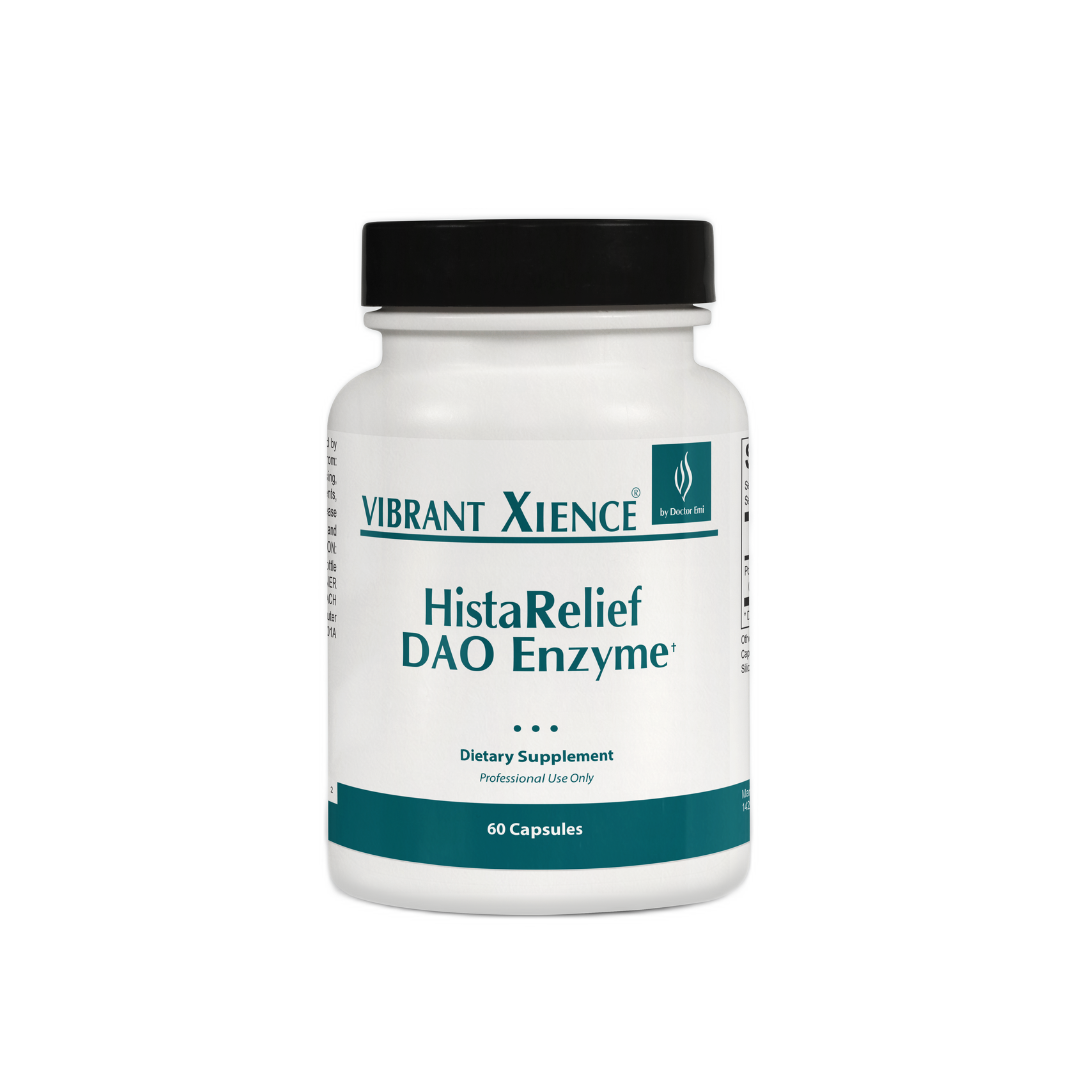
Hista-Aid® helps stabilize mast cells, reducing how easily they release histamine while you work to identify and address the underlying cause. I often use it to help patients stay functional during what can sometimes be a months-long investigation, not to simply mask symptoms.
Now available in a delicious Passionfruit Elderberry flavor, Hista-Aid® combines vitamin C, quercetin, luteolin, and DIM in a fast-acting nanoformulated delivery system designed for superior absorption. This advanced formula helps support a balanced histamine response, healthy immune function, antioxidant defenses, and a healthy inflammatory response.
Vibrant Xience Q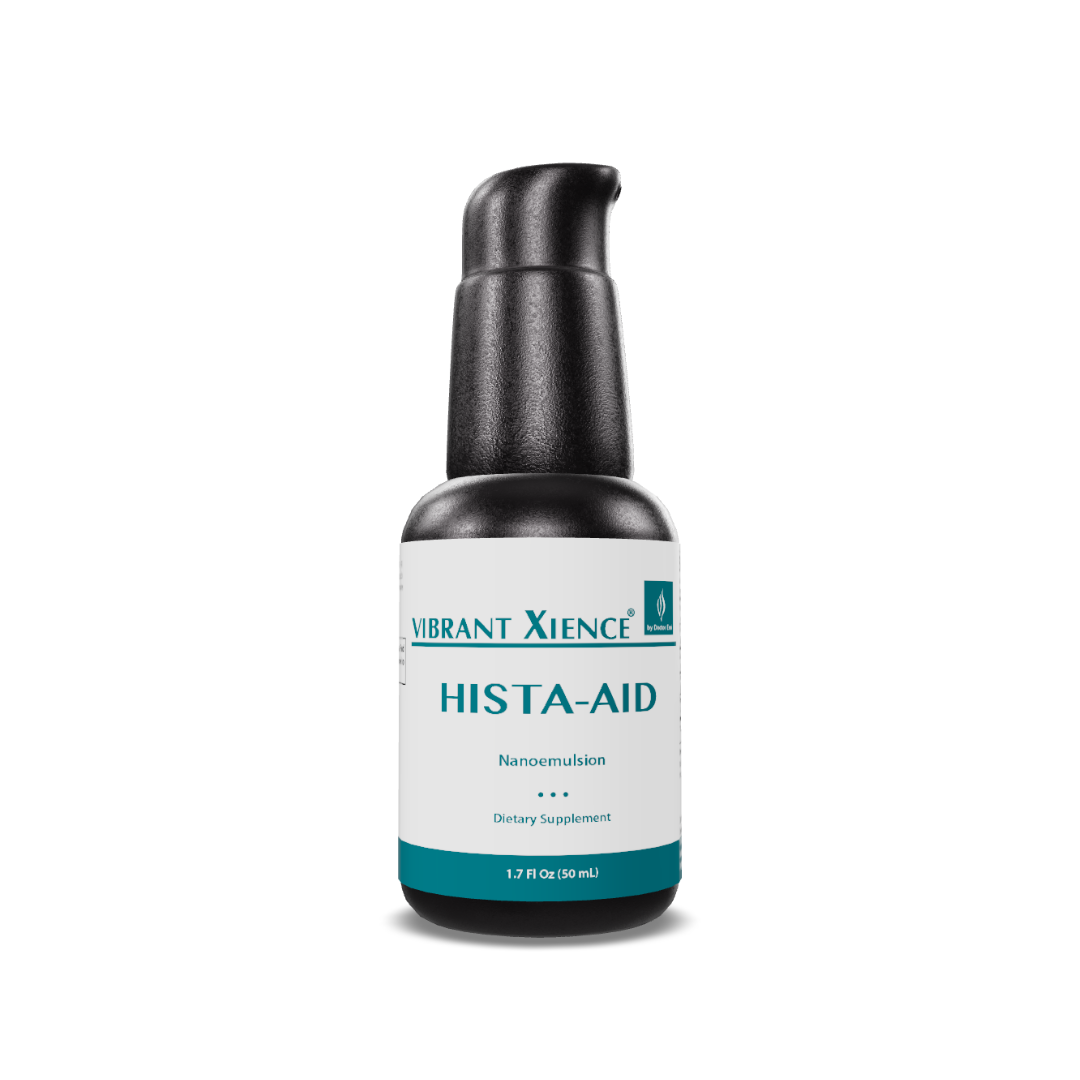
The Bottom Line
MCAS is not rare. It's under-diagnosed.
If you've been bounced between specialists, told your tests are normal, and handed another antihistamine prescription, please know there is a more thorough path forward. Your immune system isn't broken. It's overwhelmed. And when we find out why, we can actually start to change things.