By Dr. Emi Hosoda | Vibrant Wellness
Insulin resistance rarely announces itself with a dramatic symptom.
It whispers. In the roll of belly fat that won't budge no matter how clean you eat. In the dark patch at the back of your neck you chalked up to a shadow. In the energy crash that hits every afternoon like clockwork.
Here's what frustrates me most as a physician: most women in perimenopause are walking around with insulin resistance right now — and their routine labs look perfectly normal. That's because estrogen is a natural insulin sensitizer. As it declines, insulin sensitivity drops — sometimes dramatically — often years before a diabetes diagnosis is ever on the table.
And the testing we rely on wasn't designed to catch it early.
Let me show you what your body may already be telling you. 🔍
What Your Body May Already Be Showing You
Before any lab confirms it, insulin resistance often leaves visible clues.
🔵 Acanthosis Nigricans Dark, velvety, slightly thickened patches of skin at the back of the neck, armpits, or skin folds. People mistake it for a tan line or dirt — it won't scrub off. Excess insulin stimulates skin cells to reproduce faster than normal, creating that texture. Research in the British Journal of Medical Practitioners identifies it as one of the earliest visible markers of insulin resistance, appearing even before blood glucose becomes abnormal. (BJMP, Acanthosis Nigricans in Pre-Diabetic States)
🔵 Skin Tags Small, soft growths on the neck, underarms, or eyelids aren't just a cosmetic nuisance. A peer-reviewed study in Actas Dermo-Sifiliográficas found skin tag count was significantly and independently associated with insulin levels in non-diabetic patients — the more tags, the higher the circulating insulin. (Actas Dermo-Sifiliográficas, 2014)
🔵 Stubborn Belly Fat An apple-shaped waistline — even in women who are otherwise lean — can reflect visceral fat accumulation driven by chronically elevated insulin. Eating less and exercising more often won't move it until the hormonal driver is addressed. Waist circumference above 35 inches in women is a recognized clinical concern marker for metabolic syndrome.
🔵 Afternoon Energy Crashes + Carb Cravings When cells can't efficiently use glucose for fuel, energy becomes erratic and the brain demands quick carbohydrates to compensate. If you're hitting a wall mid-afternoon or craving sweets right after meals, this is a metabolic signal — not a willpower problem.
🔵 Midlife Acne New or worsening breakouts in perimenopause aren't always "just hormonal." Elevated insulin stimulates androgen production, which increases skin oil and inflammation. Midlife acne appearing alongside other symptoms here is worth investigating metabolically.
The Tests That Actually Catch It Early
Don't just ask for a "blood sugar check." Be specific. 📋
Fasting Insulin is the most important and most underutilized test in metabolic medicine. Optimal is below 5–7 µU/mL — but many conventional labs consider anything under 25 "normal," a range far too wide to catch early dysfunction. As Endotext (NCBI, updated October 2024) notes, fasting insulin is not routinely ordered despite being essential for detecting insulin resistance early. (Endotext, NCBI, 2024)
HOMA-IR is a calculated score combining your fasting insulin and fasting glucose. Below 1.0 is optimal; 1.9–2.9 suggests early resistance; above 2.9 is significant. Critically, it can detect metabolic dysfunction while your glucose and HbA1c still look completely normal — because it captures the compensatory insulin surge that standard glucose testing misses entirely. A study in eClinicalMedicine (The Lancet) confirmed elevated HOMA-IR independently predicts prediabetes risk even when glucose appears fine. (Xi et al., 2023, The Lancet)
LP-IR (Lipoprotein Insulin Resistance Score) is one of my favorite advanced markers — and one most women have never heard of. It's run as part of an NMR LipoProfile (available through Labcorp) and works by analyzing six lipoprotein particle measurements: large VLDL, small LDL, and large HDL particle numbers, plus the mean sizes of VLDL, LDL, and HDL. Scores range from 0 (most insulin sensitive) to 100 (most insulin resistant), with below 45 considered optimal and above 50 suggesting meaningful resistance.
What makes LP-IR particularly valuable is that it identifies insulin resistance independently of glucose and BMI — meaning it can flag metabolic dysfunction even in lean women with normal blood sugar. According to Labcorp's own clinical reference, LP-IR scores identify individuals at higher risk of developing type 2 diabetes independent of glucose and body mass index. (Labcorp, LP-IR clinical reference) A 2025 study in the Journal of Clinical Medicine further confirmed LP-IR scores effectively differentiated patients with and without insulin resistance even when conventional markers were less reliable. (Campoverde Reyes et al., JCM, 2025)
This is the kind of testing that catches what standard panels miss.
Fasting Glucose is still essential — optimal is 70–85 mg/dL. Values creeping into the 90s alongside elevated insulin warrant attention, even if technically "in range."
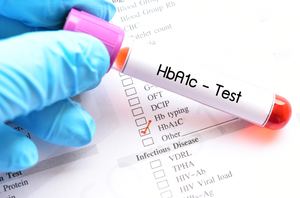
HbA1c gives a 3-month blood sugar average. Useful context, but a trailing indicator — it won't catch early insulin resistance while glucose is still compensated.
Triglycerides + HDL round out the picture. High triglycerides (above 150) and low HDL (below 55 in women) together suggest underlying insulin resistance even when glucose is normal. Research in PubMed examining menopausal women found the triglyceride-glucose index had strong diagnostic value for distinguishing early metabolic dysregulation in this population. (PubMed, 2023)
What You Can Do Starting Now
The research on reversing early insulin resistance is genuinely encouraging.
Movement: Resistance training and HIIT combined show the greatest improvement in HOMA-IR scores — as little as 2–3 sessions per week makes a measurable difference.
Nutrition: 20–30g of protein per meal, plenty of fiber, and low-glycemic whole foods stabilize post-meal glucose spikes and reduce the compensatory insulin surge over time.
Berberine 🌿 This is one of my favorite evidence-based tools for insulin resistance, and the research keeps getting stronger. Berberine activates AMPK — essentially a cellular metabolic switch — enhancing glucose uptake in peripheral tissues, improving insulin sensitivity, and reducing glucose production in the liver. A 2025 systematic review and meta-analysis in Frontiers in Pharmacology confirmed berberine meaningfully improves insulin resistance and related metabolic markers across randomized placebo-controlled trials. And a 2026 clinical trial in Clinical Diabetology showed 12 weeks of berberine dropped HOMA-IR by an average of 1.6 points compared to placebo (p < 0.001). (Frontiers in Pharmacology, 2025; Qasim et al., Clinical Diabetology, 2026)
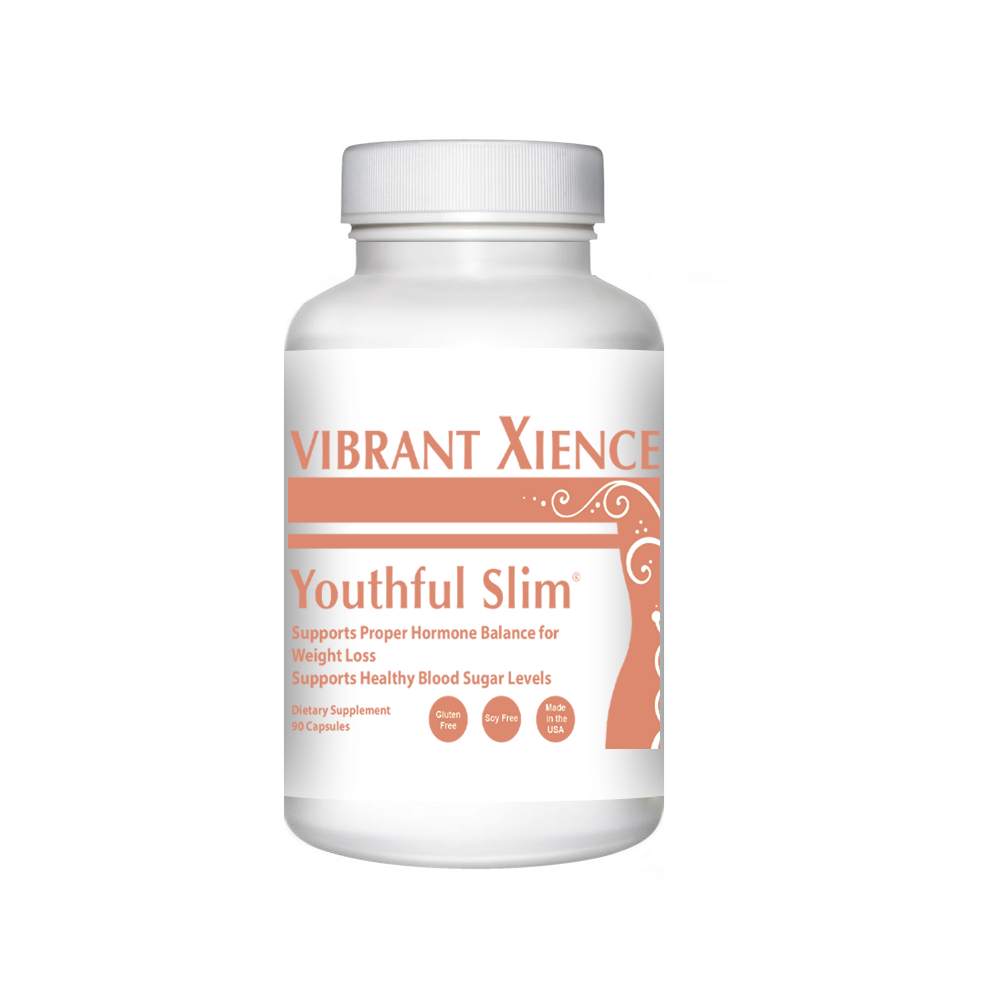
This is why I include berberine in Youthful Slim. 💊
Youthful Slim pairs berberine with GTF Excell Chromium — a highly bioavailable form of chromium that supports healthy insulin signaling at the cellular level. Together they target the root mechanisms: improving how your cells respond to insulin, stabilizing blood sugar between meals, and supporting healthier body composition over time.
What to Ask at Your Next Appointment 📌
- Fasting insulin (drawn at the same time as fasting glucose)
- Fasting glucose
- HOMA-IR (calculated from the above two)
- HbA1c
- Fasting lipid panel — note triglycerides and HDL specifically
Ask your provider to interpret fasting insulin using a tighter optimal range (under 7 µU/mL), not the broad lab reference. And if you're noticing the visual signs — the velvety skin patches, the skin tags, the belly fat that won't respond to effort — bring those to the appointment too. They belong in the conversation.
Your body has been communicating with you. The goal is to give you the right tools to listen. 💙
— Dr. Emi
References:
- Xi et al. (2023). Development and validation of an insulin resistance model for a population without diabetes mellitus. eClinicalMedicine / The Lancet. https://doi.org/10.1016/S2589-5370(23)00111-6
- Endotext, NCBI. Assessing Insulin Sensitivity and Resistance in Humans. Updated October 2024. https://www.ncbi.nlm.nih.gov/books/NBK278954/
- Matthews et al. (1985). HOMA-IR model. Validated via NHANES III. MDCalc clinical reference. https://www.mdcalc.com/calc/3120/homa-ir
- Qasim et al. (2026). Clinical Evaluation of the Effectiveness of Berberine on Insulin Resistance in Patients with Type 2 Diabetes Mellitus. Clinical Diabetology. https://journals.viamedica.pl/clinical_diabetology/article/view/110850
- Frontiers in Pharmacology. (2025). Efficacy and safety of berberine on the components of metabolic syndrome: a systematic review and meta-analysis. https://www.frontiersin.org/journals/pharmacology/articles/10.3389/fphar.2025.1572197/full
- Journal of Clinical Endocrinology & Metabolism. (2026). Insulin Levels Early in Perimenopause Inform Vasomotor Symptom Incidence. Oxford Academic. https://academic.oup.com/jcem/advance-article/doi/10.1210/clinem/dgaf699/8413273
- PubMed. (2023). Diagnostic markers of insulin resistance to discriminate between prediabetes and diabetes in menopausal women. https://pubmed.ncbi.nlm.nih.gov/37013763/
- Actas Dermo-Sifiliográficas. (2014). Skin Disorders in Overweight and Obese Patients and Their Relationship With Insulin. https://www.actasdermo.org/en-skin-disorders-in-overweight-obese-articulo-resumen-S157821901400033X
- British Journal of Medical Practitioners. Acanthosis Nigricans in Pre-Diabetic States. https://www.bjmp.org/content/acanthosis-nigricans-pre-diabetic-states